
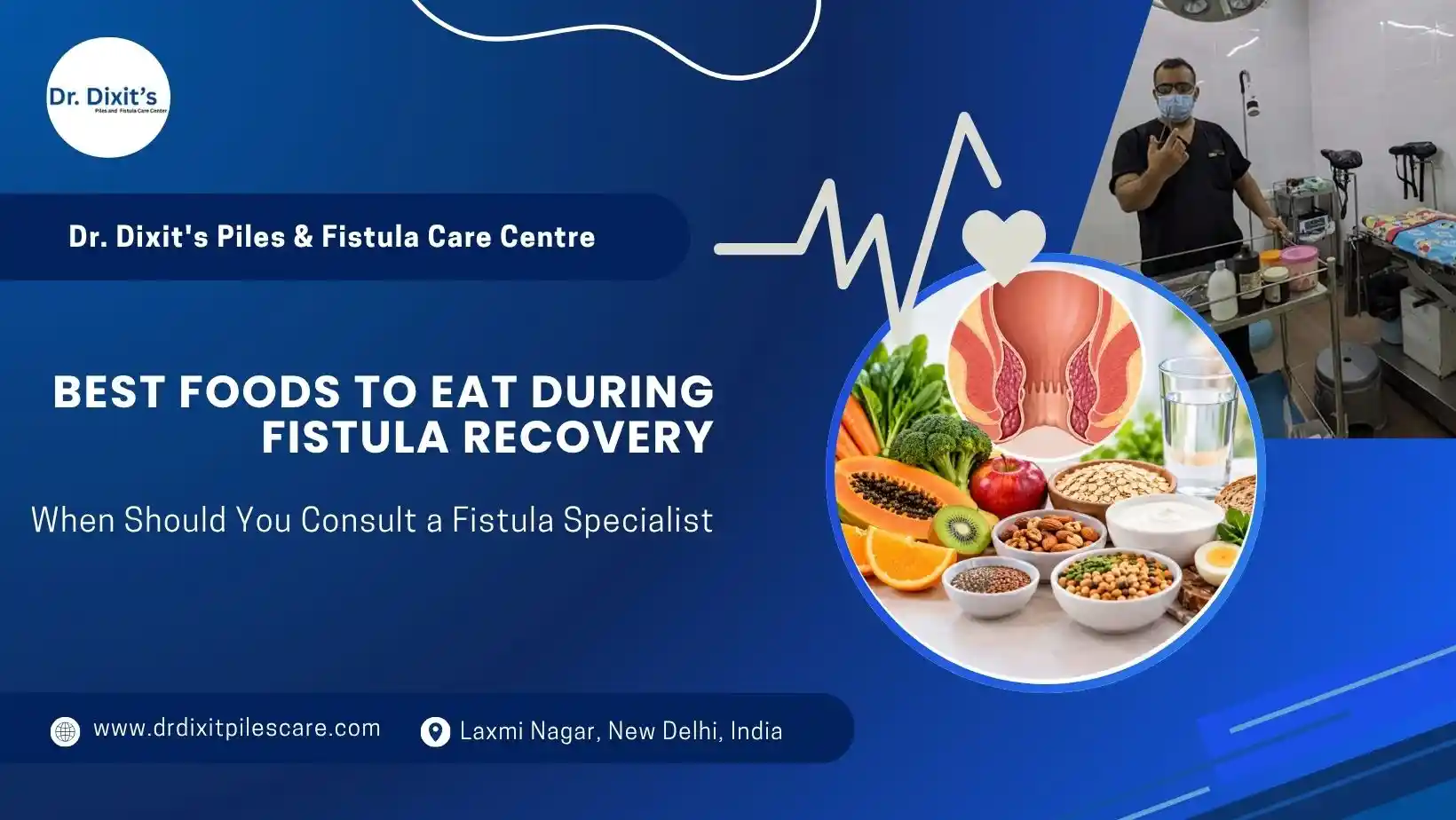
Nutrition is vital in ensuring that the body gets enough energy while it recovers from a fistula. However, while diet alone will not heal an anal fistula, eating the correct type of food will help ensure that you have softer stools, regular bowel movements, do not strain and get the essential nutrients required for the healing process. This becomes even more crucial following a fistula operation where the bowels will require special attention.
The ideal diet for recovery from fistulas involves foods with high fiber, proper hydration, proteins, fruits, vegetables, among others. There are however other foods which increase the chances of developing constipation, irritate the bowels and affect digestion for some individuals.
Why Diet Matters During Fistula Recovery
An anal fistula is an abnormal passage that develops between the inside of the anal canal or rectum and the skin around the anus. Treatment generally requires medical assessment because diet alone cannot eliminate the fistula tract. However, healthy eating can support bowel regularity and make recovery more comfortable, particularly when passing stool needs to be kept as easy as possible.
Constipation and hard stools can increase straining and pressure around the anal area. A diet containing adequate fibre and fluids can help maintain softer stools and reduce this problem. Good nutrition also provides protein, vitamins, minerals, and energy that the body needs for tissue repair and general recovery after a procedure.
Best Foods to Eat During Fistula Recovery
A recovery-friendly diet should include a variety of whole foods rather than relying on one particular food. Fresh fruits, vegetables, whole grains, pulses, nuts, seeds, and adequate fluids can provide fibre and nutrients while supporting regular bowel movements. The exact amount of fibre that suits you may depend on your digestion, existing bowel habits, and medical condition.
If your doctor has given specific dietary instructions after treatment, those instructions should take priority. Some people may need a softer or lighter diet for a short period, while others can gradually return to their normal meals. The goal is to choose foods that are nutritious, easy to tolerate, and helpful for maintaining comfortable bowel movements.
1. Fibre-Rich Fruits for Better Bowel Movements
Fruits can be a useful part of a fistula recovery diet because many provide dietary fibre, water, vitamins, and natural carbohydrates. Fruits such as papaya, pears, apples, oranges, guava, kiwi, and berries can be included according to individual tolerance. Whole fruits are generally preferable to fruit juices because they retain more of their natural fibre.
Papaya and other fibre-containing fruits are often included in diets designed to support digestion and regular bowel movements. However, increasing fibre suddenly can cause bloating or gas in some people. It is usually better to increase fibre gradually while drinking enough fluids so that the stool remains soft rather than becoming bulky and difficult to pass.
2. Green and Other Fibre-Rich Vegetables
Vegetables are another important source of fibre and micronutrients during recovery. Spinach, carrots, beans, peas, pumpkin, bottle gourd, broccoli, and other vegetables can be included in meals depending on individual digestion. Cooked vegetables may be easier to tolerate than large amounts of raw vegetables, particularly if the digestive system is sensitive after treatment.
A varied vegetable intake also helps provide nutrients needed for overall health and tissue repair. Rather than focusing on one so-called healing vegetable, aim for a balanced selection throughout the week. If a particular vegetable consistently causes bloating, loose stools, or discomfort, reduce it temporarily and discuss persistent digestive problems with your healthcare provider.
3. Whole Grains and High-Fibre Cereals
Whole grains can help increase dietary fibre and support regular bowel movements. Options such as oats, whole wheat, brown rice, barley, and millets may be included as part of balanced meals. The choice should depend on what your digestive system tolerates comfortably.
For someone recovering from fistula treatment, the aim is not simply to eat as much fibre as possible. Excessive fibre without enough water can sometimes make bowel movements uncomfortable. Introduce higher-fibre foods gradually and combine them with adequate fluids to support softer and easier-to-pass stools.
4. Pulses, Lentils, and Other Plant-Based Protein
Protein, fiber, and other nutrients are supplied by pulses such as dal, lentils, beans, chickpeas, and peas. The body needs protein during recovery since protein is used to build and repair tissues. Hence, eating food that contains protein will be very beneficial in meeting the body's nutritional needs.
Pulses can give rise to bloating or gases, particularly if taken in large amounts. If one is experiencing digestive problems, one should begin by taking small amounts of these foods and selecting cooked varieties only. It could also be helpful if one cooks pulses thoroughly.
5. Protein-Rich Foods for Tissue Repair
Adequate protein is an important part of a balanced recovery diet. Depending on dietary preferences, protein can come from eggs, fish, chicken, dairy products, tofu, paneer, lentils, beans, and other suitable sources. Including protein in regular meals helps ensure that the body receives the nutrients required for normal tissue maintenance and repair.
There is no single best food for fistula recovery, and a high-protein diet does not replace medical treatment. Instead, protein should be combined with fibre-rich foods, vegetables, fruits, whole grains, and adequate fluids. People with kidney disease or other conditions that affect protein requirements should follow their doctor's dietary advice.
6. Yogurt and Other Probiotic Foods
Plain yogurt and other fermented foods may be useful for people who tolerate them well. Yogurt can provide protein and calcium, while foods containing beneficial bacteria may support a healthy gut environment. This can be particularly useful when digestive habits have changed during recovery.
However, probiotic foods are not a treatment for an anal fistula. Their role is mainly nutritional and digestive. If dairy products cause bloating, loose stools, or discomfort, choose other suitable protein and calcium sources instead. People who have been prescribed antibiotics should also follow their doctor's instructions regarding food and medication.
7. Nuts and Seeds in Moderate Amounts
Nuts and seeds can provide healthy fats, fibre, protein, and several micronutrients. Almonds, walnuts, chia seeds, flaxseeds, and pumpkin seeds can be added to meals in suitable portions. Chia and flaxseeds contain fibre, so they should be consumed with adequate fluids.
Portion size matters because large amounts of nuts or seeds can be difficult for some people to digest. If you are not used to a high-fibre diet, introduce them gradually. Choosing finely ground or soaked options may also make them easier to incorporate into meals.
8. Plenty of Water and Hydrating Fluids
Water is one of the simplest but most important parts of a recovery diet. Fibre works more effectively when adequate fluid is available, and staying hydrated can help prevent stools from becoming excessively hard. Water can be taken throughout the day rather than waiting until you feel very thirsty.
Individual fluid requirements vary depending on factors such as body size, activity level, climate, and medical conditions. In hot weather, including Delhi summers, fluid needs may be higher because of increased sweating. People with medical conditions that require fluid restriction should follow their doctor's advice rather than increasing fluid intake independently.
Foods to Limit During Fistula Recovery
Some foods may not directly cause an anal fistula, but they can contribute to digestive discomfort or make bowel habits less predictable in certain people. Highly processed foods, meals very low in fibre, excessive fried foods, and large amounts of refined carbohydrates may be less helpful when constipation is a concern. Very spicy foods may also cause burning or discomfort for some individuals.
It is not necessary for every person recovering from fistula treatment to completely eliminate all spicy or favourite foods. Instead, pay attention to how your body responds. If a particular food repeatedly causes loose stools, constipation, bloating, or irritation, reducing it during recovery may make bowel movements more comfortable.
Foods That May Worsen Constipation
Constipation can make bowel movements harder and increase straining, which may be uncomfortable during recovery. Diets dominated by refined grains, processed snacks, fast food, and low-fibre meals may not provide enough dietary fibre for regular bowel movements. Eating large amounts of such foods while drinking too little water can further contribute to hard stools.
Instead of suddenly changing your entire diet, gradually replace lower-fibre foods with whole grains, fruits, vegetables, and pulses. If constipation continues despite dietary changes, do not keep increasing fibre indefinitely without professional advice. Persistent constipation may have other causes and may require an appropriate treatment plan.
How to Plan a Simple Fistula Recovery Diet
Having a basic meal pattern every day will make it easier to stay healthy during the recovery period. The breakfast can be eaten from oatmeal, whole grain foods, fruits or another healthy meal. For lunch and dinner, one can consume vegetables, dal, or protein, whole grain and yogurt (if you do not suffer from dairy products). You can have fruits or nuts as snacks.
The main thing is the consistency in your diet, and there is no need to follow some difficult food charts. It is necessary to have balanced meals, proper intake of liquids, sufficient proteins, and increased amounts of fiber (if you are used to low-fiber meals). Your recovery food chart will be changed in accordance with the surgery performed, your bowel movements, etc.
Foods to Eat After Fistula Treatment
After a procedure, your doctor may initially recommend foods that are easy to digest and suitable for your condition. As your recovery progresses, you may gradually return to a balanced diet containing vegetables, fruits, whole grains, protein sources, and adequate fluids. Avoid making major dietary changes immediately after treatment without understanding your individual post-procedure instructions.
The focus should remain on comfortable bowel movements and adequate nutrition. If you experience constipation, diarrhoea, increasing pain, unusual discharge, fever, swelling, or other concerning changes after treatment, contact your healthcare provider. Diet can support recovery, but symptoms that suggest a complication should not be managed through food alone.
Can Diet Cure an Anal Fistula?
Diet alone cannot reliably close an established anal fistula. An anal fistula usually develops because of an underlying infection or abnormal tract, and appropriate treatment requires evaluation by a qualified doctor. Depending on the location, complexity, cause, and previous treatment history, different approaches may be considered.
A healthy diet remains valuable because it can support regular bowel movements and provide the nutrients required for general recovery. It should therefore be viewed as part of supportive care rather than a replacement for medical treatment. People with recurring or complex fistula symptoms should receive a proper assessment before choosing a treatment approach.
When Should You Consult a Fistula Specialist?
Pain, swelling, pus discharge, reoccurring abscess, or a hole close to the anus are symptoms of an anal fistula that need medical attention. The fistula might persist in causing the symptom even after the initial pain has improved for a while. Postponement could enable the cause to persist.
When in search of a treatment for your fistula in Delhi, see a professional doctor who will examine your condition and give you advice on what to do. In Dr. Dixit's Piles and Fistula Care Center, you can talk about your symptoms, past medication, bowel habits, and worries about recovery.
Conclusion
Proper nutritional intake after surgery will ensure that bowel movements are easy to undertake and that the body receives all the required nutrients during recovery. Take care to strike a good balance between fiber intake, proteins, fruits and vegetables, grains and fluid intake as opposed to focusing on one type of food or home remedy.
More importantly, keep in mind that diet is supportive therapy and not a replacement for treatment. In case of any pain, inflammation, discharges or if you know that you have anal fistula, seek help from an appropriate specialist. You can achieve a healthy digestive system coupled with recovery through proper eating practices.
FAQ's
What foods are good during fistula recovery?
Fibre-rich fruits and vegetables, whole grains, pulses, suitable protein sources, yogurt if tolerated, nuts, seeds, and adequate fluids can form part of a balanced fistula recovery diet. Foods should be selected according to individual digestion and medical advice.
Can I eat spicy food during fistula recovery?
Spicy food does not necessarily need to be completely avoided by everyone. However, if spicy meals cause burning, loose stools, or discomfort around the anal area, reducing them during recovery may be helpful.
Is fibre good for fistula recovery?
Fibre can help support softer and more regular bowel movements, which may reduce constipation and straining. Increase fibre gradually and drink adequate fluids, as a sudden increase can cause bloating or discomfort.
Can drinking more water help during fistula recovery?
Adequate hydration can support softer stools and help fibre work effectively. However, individual fluid requirements vary, so people with conditions requiring fluid restriction should follow their doctor's advice.
Can food permanently cure an anal fistula?
No. Food can support digestion, bowel regularity, and general nutrition, but diet alone cannot be relied upon to permanently cure an established anal fistula. Appropriate medical evaluation and treatment are important.