
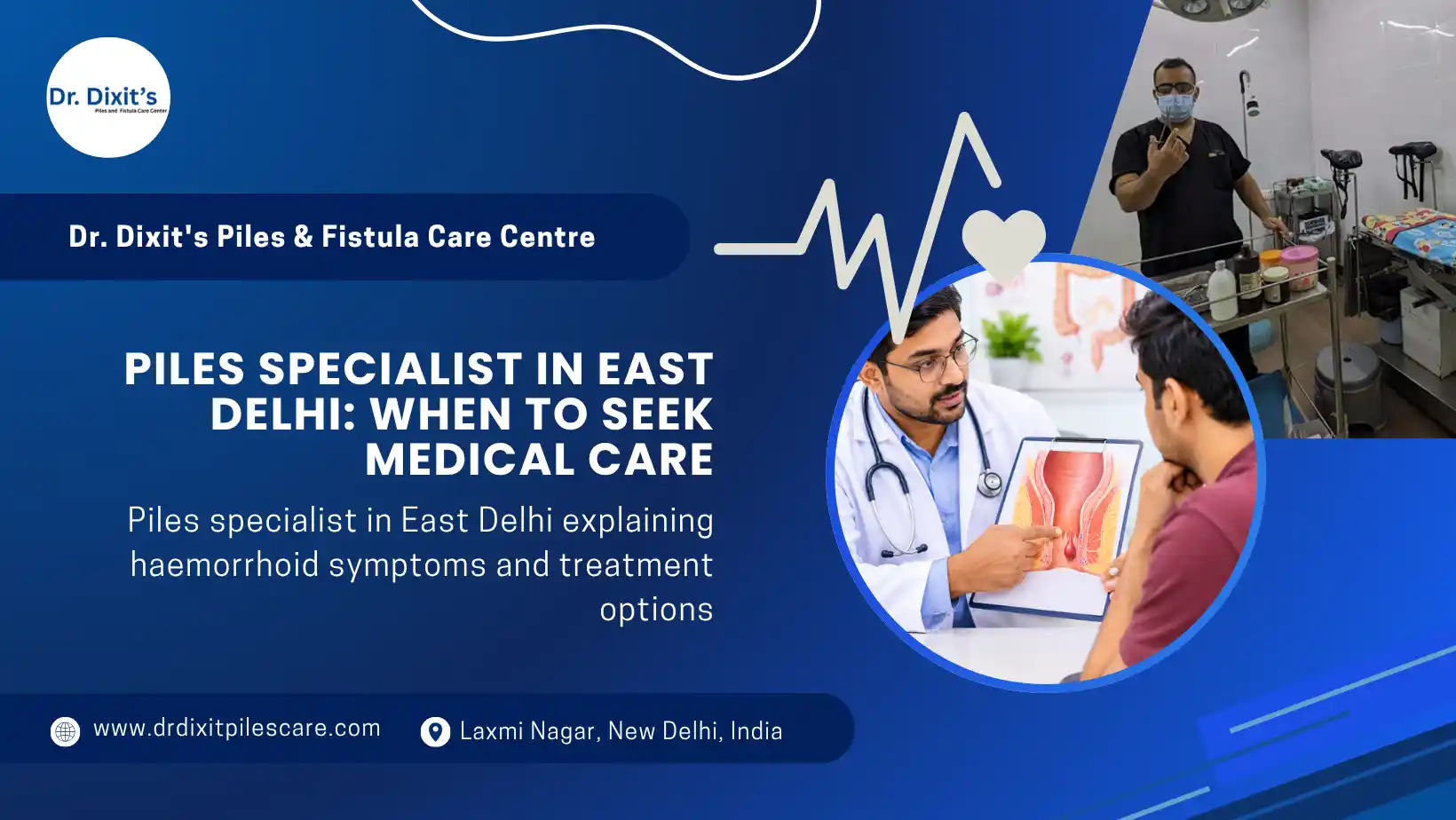
Piles, otherwise known as haemorrhoids, are an anorectal disease that causes pain, itching, swelling, and bleeding while passing stool. Some may have blood in their stool, while some may have a lump near the anus or difficulty sitting for prolonged periods due to pain. Though mild symptoms will improve with diet and care, it is best not to overlook constant pain or bleeding. Visiting a piles specialist in East Delhi can assist in finding out the cause of your problem and whether or not you need treatment.
People put off consulting a doctor out of embarrassment about the disease related to passing stool. Yet, consulting a doctor at an early stage can help prevent further problems or even help find another problem that resembles piles like anal fissure, fistulas, or even something else causing rectal bleeding. It is essential to know when you should consult a doctor concerning your problem to help choose the right way of treatment.
What Are Piles and Why Do They Develop?
Piles are swollen blood vessels in and around the anal canal and lower rectum. They are commonly classified as internal or external haemorrhoids. Internal piles develop inside the rectum and may cause painless bleeding or protrusion during bowel movements. External piles form beneath the skin around the anus and may cause itching, swelling, tenderness, or pain. In some cases, a blood clot develops inside an external haemorrhoid, causing sudden and significant discomfort. The symptoms vary depending on the type and severity of the condition.
Several factors can contribute to piles, including chronic constipation, repeated straining, prolonged sitting on the toilet, and insufficient dietary fibre. Pregnancy, ageing, and conditions that increase pressure in the abdominal area can also play a role. Although these factors may increase the likelihood of developing haemorrhoids, rectal bleeding should not automatically be attributed to piles. A piles doctor in East Delhi can assess the symptoms, confirm the likely diagnosis, and recommend suitable treatment based on the patient's condition.
Which Piles Symptoms Mean You Should Visit a Specialist?
The most common piles symptoms include bright red blood during or after a bowel movement, itching around the anus, swelling, discomfort while sitting, and a lump near the anal opening. Some patients also experience mucus discharge or a feeling that the bowel has not emptied completely. Internal piles may bleed without causing pain, whereas external piles can become uncomfortable when the surrounding skin is irritated or swollen. If these symptoms occur repeatedly, a medical consultation can help establish whether haemorrhoids are responsible.
You should also seek medical advice if symptoms continue despite increasing fibre intake, drinking enough water, and avoiding straining. A lump that becomes increasingly painful, persistent bleeding, or recurring swelling may require further evaluation. Piles treatment in East Delhi should begin with an accurate diagnosis rather than relying only on the symptoms. Heavy bleeding, black or tarry stools, dizziness, fainting, or severe pain require urgent medical attention because they may indicate a problem that needs prompt assessment.
When Should You Consult a Piles Specialist in East Delhi?
If one experiences recurrent pain, bleeding, itching, and swelling that affect their daily routine, then one needs to visit a piles specialist in East Delhi. Regardless of how minor the symptoms are, they should be checked as there could be an underlying condition which needs attention. The patient will be assessed for whether they are experiencing internal or external piles, fissure, fistula, or some other form of an anorectal condition. This early check-up is vital in instances where the symptoms do not improve even with basic management of one's bowel.
It is essential to see a medical expert if one is noticing tissue coming out of the anus, difficulty in cleaning the affected region, and feeling discomfort in sleep, work, and even movements. One shouldn't always think that all swellings and bleedings are due to haemorrhoids. The patient can receive information regarding the severity of the condition, and the necessary measures such as lifestyle change, medication, outpatient procedure, or surgery.
How Does a Piles Doctor in East Delhi Diagnose the Condition?
Diagnosis usually starts with a discussion about your symptoms, medical history, bowel habits, and how long the problem has been present. The doctor may ask whether you experience bleeding, constipation, pain during bowel movements, or a lump that appears and disappears. An examination of the area around the anus may help identify external piles, swelling, fissures, or other visible abnormalities. Depending on the symptoms, the doctor may also recommend a digital rectal examination or anoscopy to assess the anal canal and identify internal haemorrhoids when appropriate.
Further investigations may be necessary if the bleeding is unexplained, symptoms are unusual, or the doctor suspects another digestive condition. Depending on your age, medical history, and warning signs, additional tests such as a colonoscopy may be recommended. These investigations help avoid misdiagnosis and ensure that potentially serious causes of bleeding are not overlooked. An experienced piles specialist in East Delhi will use the examination findings and relevant medical history to recommend a treatment plan suited to the patient's needs rather than relying on symptoms alone.
Which Piles Treatment Options Are Available in East Delhi?
The appropriate piles treatment in East Delhi depends on the type of haemorrhoids, the severity of symptoms, and whether previous treatment has helped. Mild cases can often be managed with dietary fibre, adequate fluids, regular physical activity, and avoiding straining during bowel movements. A doctor may also recommend short-term medication to relieve itching or discomfort. These measures can reduce symptoms and help prevent further irritation, although they may not eliminate larger or prolapsing haemorrhoids.
When conservative treatment does not provide sufficient relief, a specialist may discuss procedures such as rubber band ligation, sclerotherapy, or infrared coagulation for suitable internal haemorrhoids. More advanced or persistent cases may require surgery, depending on the findings. Some patients also explore Ayurvedic approaches, including Kshar Karma, but suitability depends on the diagnosis, the practitioner's qualifications, and the evidence supporting the proposed treatment. Ask about expected benefits, risks, alternatives, and recovery before choosing any procedure. No single treatment is appropriate for every patient, and results cannot be guaranteed.
Can Piles Improve Without Surgery?
Yes, mild piles often improve without surgery when the main contributing factors, such as constipation and straining, are addressed. Eating more fibre-rich foods, drinking adequate fluids, and maintaining regular bowel habits can make stools easier to pass and reduce pressure on the anal area. Warm sitz baths may provide temporary relief from irritation and discomfort. Avoid sitting on the toilet for long periods or repeatedly straining when a bowel movement does not happen naturally. These measures can be useful for managing symptoms, especially in less advanced cases.
However, home care may not be enough for persistent bleeding, significant prolapse, severe pain, or recurring symptoms. Medication can help relieve certain symptoms, but it may not resolve the underlying problem in every case. If symptoms continue or worsen, consult a piles specialist in East Delhi to discuss further treatment. It is also important not to use over-the-counter creams or traditional remedies for prolonged periods without medical guidance, as they may irritate the skin or delay the diagnosis of another condition.
How Can You Prevent Piles From Returning?
Preventing piles starts with maintaining healthy bowel habits and reducing pressure on the anal canal. Include fibre-rich foods such as fruits, vegetables, whole grains, and legumes in your regular diet. Drink enough water to support normal bowel movements, and stay physically active according to your ability. Respond to the urge to pass stools rather than delaying it, and avoid prolonged sitting on the toilet. If constipation is frequent, discuss suitable management options with a healthcare professional instead of repeatedly straining.
If you have already experienced piles, pay attention to symptoms that return after treatment. Repeated bleeding, swelling, or discomfort should be assessed rather than managed indefinitely at home. People with ongoing constipation may benefit from identifying its cause and developing a sustainable bowel-management routine. Follow your doctor's advice after any procedure and attend recommended follow-up appointments. These steps can help reduce irritation and the likelihood of recurring symptoms, although prevention cannot guarantee that piles will never return.
Why Is Early Medical Care Important for Piles?
Early visits to the doctor can be of great importance in determining the severity of haemorrhoids and whether there is another anorectal disorder causing the symptoms. Continuous bleeding, pain, or swelling can impact your quality of life and get more difficult to treat if not addressed on time. Additionally, getting examined can allow the physician to advise you about the correct treatment that would work and avoid unnecessary ones. Instead of waiting until the situation gets worse, try to schedule an appointment in case of recurring symptoms.
Dr. Dixit's Piles and Fistula Care Centre provides examinations for any symptoms related to haemorrhoids, anal fissure, fistulas, and other anorectal disorders. Treatment will depend on the diagnosis, your medical history, and personal needs of the patient. If you have been suffering from recurring bleeding, painful lumps, or other similar issues, consider visiting the professional in order to determine the cause of the problem. Make an appointment with a specialist in piles in East Delhi in order to find the right treatment.
Frequently Asked Questions
When should I visit a piles specialist in East Delhi?
Consult a specialist if you experience repeated rectal bleeding, persistent pain, itching, swelling, or a lump around the anus. Seek urgent care for heavy bleeding, fainting, black stools, or severe pain.
Can piles go away without surgery?
Mild piles may improve with dietary changes, adequate fluids, and better bowel habits. Persistent or advanced haemorrhoids may require a procedure or surgery, depending on their severity and the patient's symptoms.
Is rectal bleeding always a sign of piles?
No. Rectal bleeding can occur because of anal fissures, infections, inflammatory bowel conditions, or other problems. A medical examination is important to identify the cause, particularly when bleeding is recurrent or unexplained.
Which doctor treats piles in East Delhi?
A qualified colorectal surgeon, general surgeon with relevant anorectal experience, or an appropriately trained piles specialist can assess haemorrhoids and recommend treatment. Choose a practitioner who can explain the diagnosis, available options, and their risks.
Can piles become serious if left untreated?
Some piles remain mild, while others can cause persistent bleeding, prolapse, or significant discomfort. Ongoing bleeding should not be ignored because it may have another cause. Seek medical assessment if symptoms continue or worsen.