
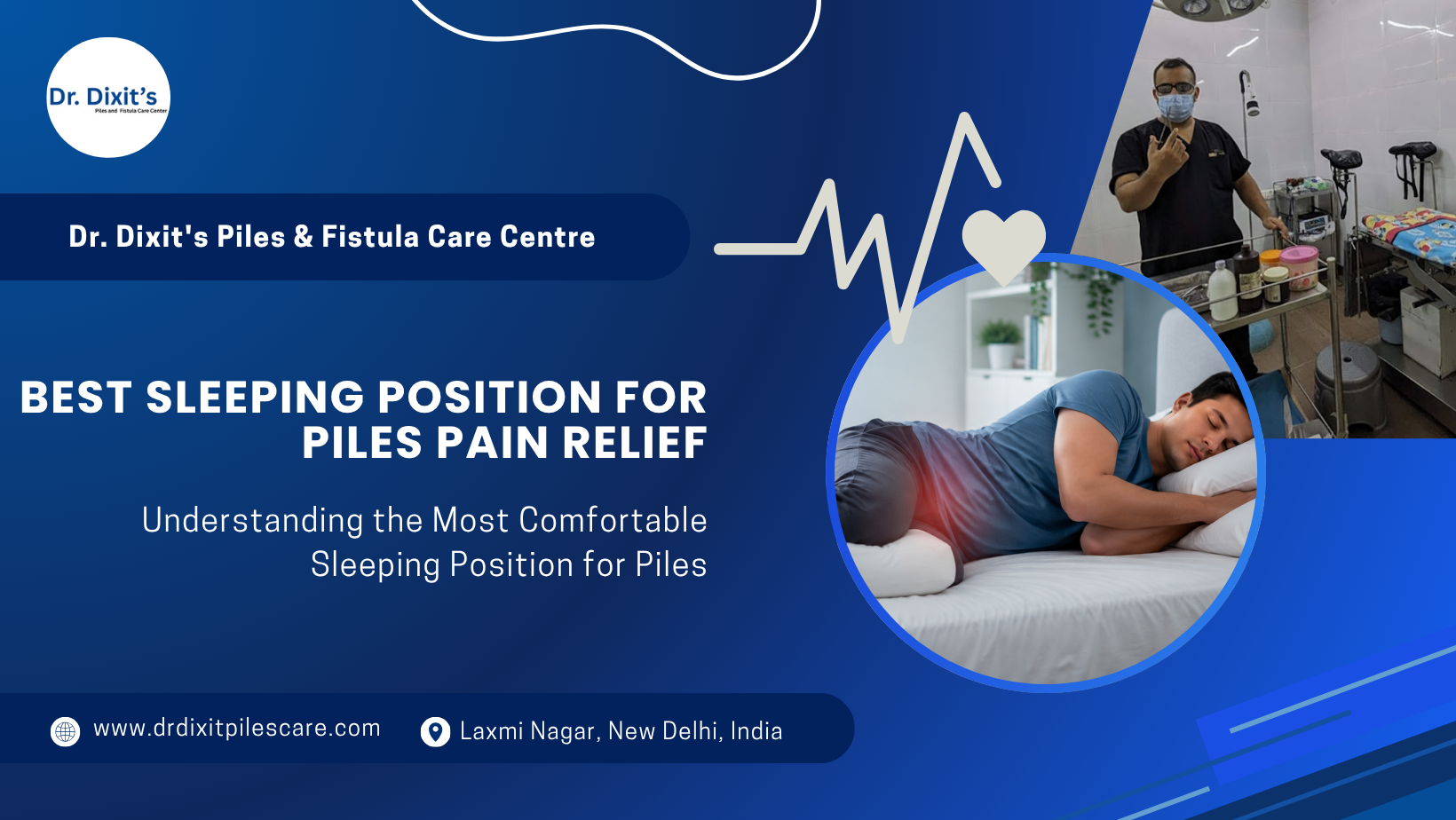
Getting a good night's sleep can be difficult when you have piles. Pain, itching, swelling, and irritation around the anal area often become more noticeable while lying down, making it hard to find a comfortable position. Although changing your sleeping posture will not cure piles, it can help reduce pressure on the affected veins and make sleeping more comfortable. If you are searching for the best sleeping position for piles, sleeping position for hemorrhoids, how to sleep with piles, or the best way to sleep with hemorrhoids, understanding how different sleeping positions affect your body can help you manage symptoms more effectively.
Why Your Sleeping Position Matters When You Have Piles
Many people focus on medicines and diet but overlook the importance of sleeping posture. When you remain in one position for several hours, pressure is placed on different parts of the body. If that pressure falls directly on swollen hemorrhoids, pain and irritation may increase, especially in people with external piles. Choosing the right sleep position for piles pain helps reduce direct pressure around the anal region, improves comfort, and allows the body to relax during sleep. While sleeping posture is only one part of piles management, combining it with proper treatment and healthy lifestyle habits can make recovery easier.
Understanding the Most Comfortable Sleeping Position for Piles
For most people, sleeping on your side for piles is considered the most comfortable option. Side sleeping reduces direct pressure on the swollen veins and prevents unnecessary friction against the mattress. It also promotes better blood circulation, which may help reduce discomfort during the night.
Many doctors recommend sleeping on the left side because it provides additional comfort for the lower body and reduces pressure around the pelvic region. Placing a pillow between the knees can further improve body alignment and reduce strain on the hips and lower back. Whether you have mild or severe symptoms, side sleeping is often considered the best sleeping position for hemorrhoids because it keeps the affected area as relaxed as possible.
How Sleeping Positions Affect Internal and External Piles
The location of your piles can influence which sleeping position feels most comfortable. People with external piles usually experience more pain because the swollen veins are located outside the anus. For them, sleeping on the side helps reduce direct contact with the affected area and is often the best position to sleep with external piles. Patients with internal piles may not experience significant pain unless the piles become enlarged or prolapse. Even then, the best sleeping position for internal piles is generally side sleeping because it reduces prolonged pressure around the pelvic area and supports overall comfort throughout the night. Although the symptoms differ, side sleeping benefits both internal and external piles by minimising unnecessary pressure.
Common Sleeping Positions That May Increase Discomfort
Not every sleeping position provides the same level of comfort for people with piles. Sleeping flat on your back for long hours may increase pressure on the buttocks and lower rectal area, particularly if you already have painful external hemorrhoids. Some people wake up with increased discomfort after remaining in this position throughout the night.
Sleeping on the stomach may reduce direct pressure on the anus, but it often places unnecessary strain on the neck and lower back. For this reason, it is not considered the most practical long-term sleeping posture.
If changing your usual sleeping habit feels difficult, making small adjustments with supportive pillows can often improve comfort without completely changing your preferred sleeping style.
Simple Night-Time Habits That Help Reduce Piles Pain
Finding the best way to sleep with hemorrhoids involves more than choosing the right posture. Your evening routine also plays an important role in reducing discomfort.
Taking a warm sitz bath before bedtime may help relax the muscles around the anus and soothe irritation. Wearing loose cotton clothing reduces friction, while breathable bedding helps minimise sweating around the affected area. If your doctor has prescribed medicines or ointments, applying them before sleeping may also improve comfort during the night.
Avoiding heavy, spicy, or oily meals late in the evening can also support better digestion and reduce discomfort the following morning.
Healthy Lifestyle Changes That Support Better Sleep and Recovery
Managing piles successfully requires a combination of healthy daily habits and proper medical care. Eating a high-fibre diet, drinking enough water, exercising regularly, and avoiding prolonged sitting all help reduce constipation, which is one of the major causes of piles. Regular bowel movements without straining reduce pressure on the swollen veins and support long-term healing. These simple habits, combined with the right sleeping position for hemorrhoids, can significantly improve both your sleep quality and your overall recovery. Remember that while sleeping posture can help reduce symptoms, it should always be part of a complete treatment plan rather than the only solution.
When Poor Sleep Could Be a Sign You Need Medical Treatment
Occasional discomfort at night is common in people with piles, but severe pain, continuous bleeding, or swelling that regularly disturbs your sleep should not be ignored. These symptoms may indicate that the piles have progressed or that another anorectal condition, such as an anal fissure or fistula, is present.
If your symptoms continue despite lifestyle changes, consult a specialist for proper evaluation. Early diagnosis can help determine whether medicines, non-surgical procedures, or Ayurvedic treatment for piles is the most suitable option for your condition.
Conclusion
Choosing the best sleeping position for piles can make a noticeable difference in your comfort, especially if pain or swelling keeps you awake at night. For most patients, sleeping on the side remains the most comfortable and practical position because it reduces pressure on the affected area and supports better rest.
Along with the right sleeping posture, maintaining a healthy diet, staying hydrated, avoiding constipation, and following your doctor's treatment plan can help manage piles more effectively. If your symptoms persist or become more severe, seek medical advice instead of relying only on home remedies.
FAQs
Which sleeping position is best for piles?
Sleeping on your side, especially the left side, is generally considered the best sleeping position for piles because it reduces pressure on the swollen veins around the anus and improves comfort during sleep.
How to sleep comfortably with piles?
Sleep on your side with a pillow between your knees, wear loose cotton clothing, avoid heavy meals before bedtime, and follow your prescribed treatment to reduce discomfort while sleeping.
What is the best sleeping posture for hemorrhoids?
The best sleeping posture for hemorrhoids is side sleeping, as it helps reduce pressure on the anal region and may improve blood circulation around the affected area.
Does sleeping position affect piles?
Yes. Although sleeping position does not cure piles, choosing the right posture can reduce pressure on swollen hemorrhoids and make sleeping more comfortable.
Can sleeping on your side help piles?
Yes. Sleeping on your side for piles is commonly recommended because it keeps body weight away from the affected area and may reduce pain and irritation.
What is the best sleeping position after piles treatment?
After piles treatment, many patients find side sleeping to be the most comfortable. However, always follow your doctor's specific advice regarding recovery and sleeping posture.
How can I relieve hemorrhoid pain while sleeping?
You can relieve discomfort by sleeping on your side, taking a warm sitz bath before bedtime, staying hydrated, eating a high-fibre diet, and using prescribed medicines or ointments as directed.
What are some tips for sleeping with painful hemorrhoids?
Use a supportive pillow, avoid prolonged sitting during the day, wear comfortable clothing, maintain healthy bowel habits, and choose the best way to sleep with hemorrhoids by sleeping on your side whenever possible.