
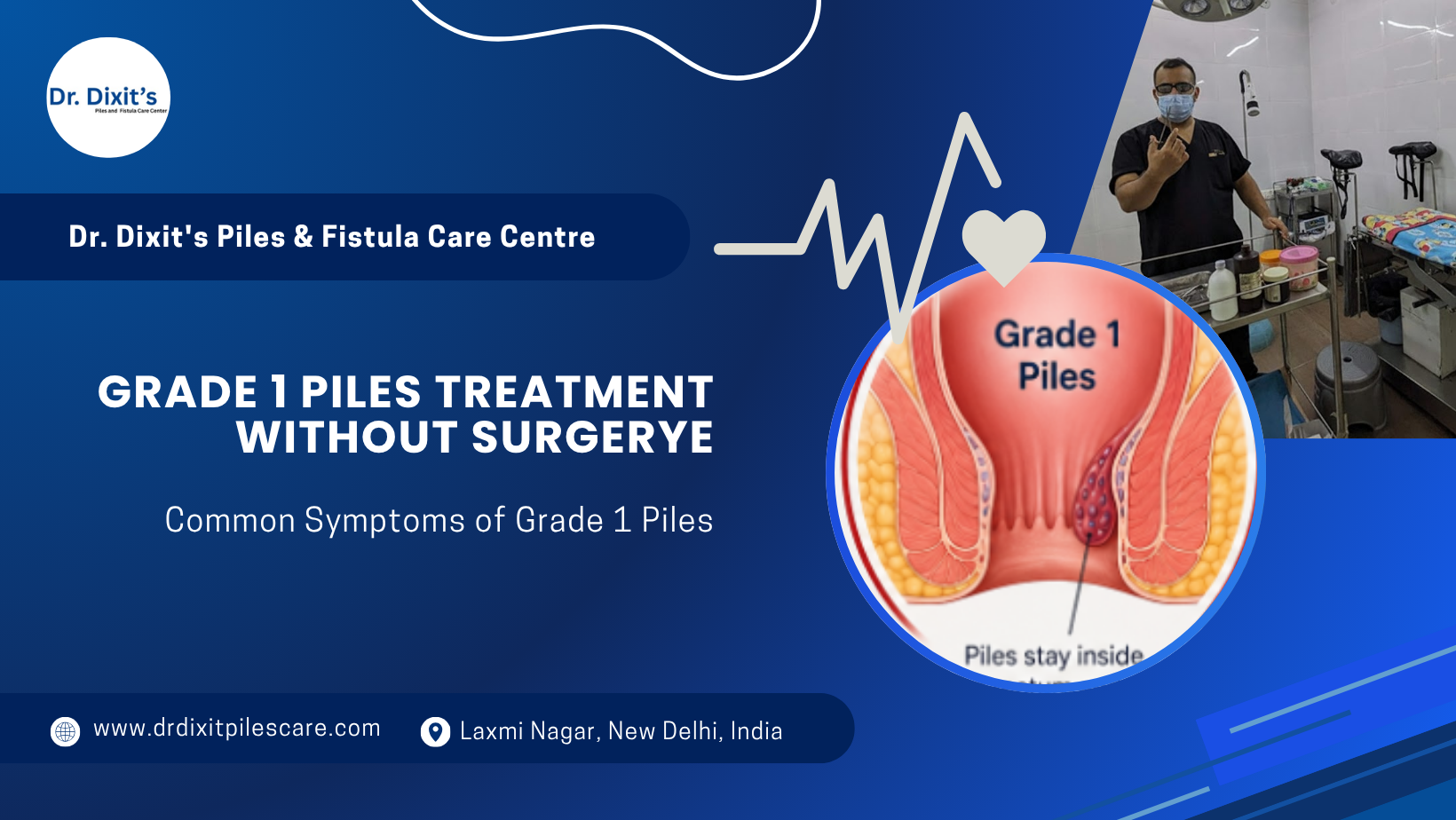
Piles Grade 1 are among the initial and usually mildest forms of hemorrhoids. In this case, the enlarged veins stay inside the rectum and do not extend out through the rectum when passing stools. You may experience some bleeding, slight irritation, itching or the sensation of an incomplete bowel evacuation, while some people do not have any noticeable symptoms at all.
The positive side is that recognizing piles grade 1 provides an opportunity for proper treatment. Healthy eating, good bowel routine, sufficient amount of fluids, exercise and medical consultation can be extremely helpful in your case. Grade 1 piles treatment might also include medication depending on the state of an individual patient. Knowing the causes and treatment of piles will allow you to act properly in your situation.
What Are Grade 1 Piles?
Grade 1 piles are internal hemorrhoids that occur in the lower part of the rectum or anus. These piles occur above the dentate line and do not protrude beyond the anus. The fact that grade 1 piles do not come out of the anus means that most people can only discover their existence through symptoms like bleeding. Grade 1 piles are usually related to pressure on the blood vessels of the rectum and anus. Factors that cause pressure on the vessels include constipation, strain during defecation, spending long periods in the toilet, low fiber diets, and lack of exercise.
What Are the Common Symptoms of Grade 1 Piles?
The symptoms of Grade 1 piles can be mild and may come and go. In some cases, bleeding is the first noticeable sign. The blood is usually bright red and may appear on toilet paper or on the surface of the stool. Other Grade 1 piles symptoms can include itching, irritation around the anus, mild discomfort during bowel movements, and a feeling of pressure in the anal area. Some people may also feel that they have not completely emptied their bowel. Not everyone experiences the same symptoms. Persistent rectal bleeding should not automatically be assumed to be piles. A medical evaluation is important to confirm the cause, particularly when bleeding is new, frequent, or accompanied by other symptoms.
What Causes Grade 1 Piles?
Piles develop when the blood vessels and supporting tissues in the lower rectum and anus become swollen or enlarged. Several everyday habits can increase pressure in this area and contribute to hemorrhoids. Chronic constipation is one of the common factors. Passing hard stools can require repeated straining, which increases pressure on the veins. Sitting on the toilet for long periods can also contribute to pressure in the anorectal area.
A diet that is low in fibre may make stools harder and bowel movements more difficult. Insufficient water intake, lack of physical activity, prolonged sitting, obesity, pregnancy, and frequent heavy lifting may also increase the risk of hemorrhoids in some people. Understanding these triggers is an important part of first stage piles treatment because improving the underlying habits can help reduce repeated irritation.
How Does Grade 1 Piles Differ From Other Stages?
Internal hemorrhoids are commonly described in four grades based on whether and how far they prolapse. Grade 1 piles remain inside the anal canal and do not prolapse outside. Grade 2 hemorrhoids may come out during bowel movements but usually return inside on their own. Grade 3 hemorrhoids may need to be pushed back manually, while Grade 4 hemorrhoids remain prolapsed and cannot usually be pushed back.
This classification matters because treatment depends on the severity and symptoms. Someone with Grade 1 internal piles may require a different approach from someone with advanced prolapsing hemorrhoids. Early diagnosis therefore gives patients an opportunity to address the condition before it progresses.
Why Early Stage Piles Treatment Matters
Many people ignore mild bleeding or occasional discomfort because the symptoms do not interfere significantly with their daily routine. However, repeated constipation and straining can continue to put pressure on the affected veins. Starting early stage piles treatment focuses on correcting the factors that may be contributing to the problem. This can include improving fibre intake, drinking enough water, becoming more physically active, and avoiding unnecessary straining during bowel movements. If symptoms continue despite these changes, a doctor can assess the condition and recommend appropriate treatment. Early attention may help prevent symptoms from becoming more frequent or severe.
Can Grade 1 Piles Be Treated Without Surgery?
Generally, grade one internal hemorrhoids will not necessitate surgery in the majority of the situations. This will mainly depend on the symptoms experienced by the patients, whether they are consistent, and overall health of the individual. Non-surgical piles can be managed through the changes in lifestyles, medications where necessary, and many other treatment options that may apply in that specific situation. The objective here is ensuring that there is no additional pressure on the blood vessels, hence avoiding irritation. One should not rely only on non-surgical methods especially if there is bleeding and pain.
What Is the Role of Diet in Grade 1 Piles Treatment?
A good diet is very important for dealing with constipation and promoting normal bowel movements. Fiber in the diet could play a role in making the stools soft and easy to evacuate, and thus avoiding straining during defecation. Some foods rich in fiber include fruits, vegetables, whole grains, beans, and other similar food stuff. It is important that you drink enough water since fiber works effectively with water. In case there are some foods that seem to increase your symptoms, it is important that you consult your health care provider about your diet.
How Can Daily Habits Help Manage Grade 1 Piles?
Small changes in daily routine can make a meaningful difference when managing early hemorrhoids. Avoid sitting on the toilet for longer than necessary and do not repeatedly strain to pass stool. Regular physical activity can support bowel function and help prevent constipation. People who sit for long hours at work should take regular movement breaks. Responding to the natural urge to pass stool instead of repeatedly delaying it can also support healthier bowel habits. These measures can complement medical care and are particularly useful as part of treatment for Grade 1 piles.
What Is Ayurvedic Treatment for Grade 1 Piles?
Ayurvedic treatment for piles may be considered by patients who prefer an Ayurvedic approach to managing early hemorrhoids. Depending on the patient's symptoms and assessment, Ayurvedic care may involve medicines, dietary advice, lifestyle changes, and other therapies considered appropriate by a qualified specialist. The treatment should be personalised rather than based on self-medication. Not every case of rectal bleeding is caused by piles, so proper diagnosis should come before starting any treatment. For patients with early symptoms, an Ayurvedic specialist can assess the condition and explain whether conservative Ayurvedic management is suitable.
When Should You See a Doctor for Grade 1 Piles?
Occasional mild symptoms may seem easy to ignore, but persistent or recurrent symptoms deserve medical attention. You should consult a doctor if you repeatedly notice blood during bowel movements, experience increasing anal pain, develop a lump or swelling, or have symptoms that do not improve with basic lifestyle changes. Rectal bleeding can have several causes, so professional evaluation is important before assuming that it is caused by hemorrhoids. A specialist can examine the area, determine the likely cause, and recommend appropriate care. Seeking treatment at an early stage can also help you understand whether you have Grade 1 piles or another anorectal condition.
How Can Grade 1 Piles Be Prevented From Getting Worse?
Preventing progression largely involves reducing the pressure and irritation that contribute to hemorrhoids. Maintaining regular bowel movements, eating enough fibre, drinking adequate water, and staying physically active can support better bowel health.
Avoiding excessive straining is equally important. If constipation is frequent, it is better to address its underlying cause rather than repeatedly relying on temporary relief. Following your doctor's treatment advice and attending follow-up appointments when recommended can also help monitor symptoms and reduce the possibility of the condition becoming more severe.
Why Choose Early Care for Grade 1 Piles?
It is at the early stage that the patient gets the best chance to make small changes towards controlling their symptoms. Ignoring repeated bleeding, constipation or discomfort around the anus allows the underlying causes of these conditions to persist without being attended to. An experienced piles expert can assess how serious your condition is and advise you on what to do in light of your symptoms. If a patient wants to treat Grade 1 hemorrhoids, a consultation with a specialist about both approaches can be helpful.
Conclusion
Grade 1 piles represent one of the early stages of developing hemorrhoids, and there might be issues related to bleeding, itchiness, irritation, and slight discomfort. Given the early stage of the problem, one must take into consideration the state of their bowel movements and get professional help in order to avoid worsening their situation. A fiber-rich diet, proper hydration, physical activity, and avoiding straining should be taken into account as an early therapy. Should the symptoms persist and the problem of bleeding repeat, one needs to contact an expert to get Grade 1 piles treatment.
Frequently Asked Questions
What are the early signs of Grade 1 piles?
The early signs of piles may include bright red bleeding during or after bowel movements, anal itching, irritation, mild discomfort, or a feeling of pressure around the anus. Some people with Grade 1 piles have very few symptoms and may only notice occasional bleeding. Since rectal bleeding can occur for several reasons, it is important to seek medical advice if it is persistent, recurrent, or unexplained rather than assuming it is caused by hemorrhoids.
Can Grade 1 piles be cured without surgery?
Many cases of early internal hemorrhoids can be managed without surgery, particularly when symptoms are mild. Piles treatment without surgery may involve improving fibre intake, drinking enough water, preventing constipation, avoiding straining, increasing physical activity, and using medicines or other treatments when prescribed. The appropriate approach depends on the individual condition. A specialist can assess the severity of the piles and determine whether non-surgical management is suitable.
What is the best treatment for Grade 1 piles?
There is no single treatment that is best for every patient. Grade 1 piles treatment depends on the symptoms, bowel habits, severity, and underlying causes. Early cases are often managed with dietary and lifestyle changes, while medicines or other treatments may be recommended when necessary. Patients interested in Ayurvedic treatment for piles can also discuss suitable Ayurvedic options with a qualified specialist after proper diagnosis.
Can Grade 1 piles become worse?
Grade 1 piles may progress if factors such as chronic constipation, repeated straining, low fibre intake, and prolonged sitting continue. However, progression is not inevitable. Addressing these factors early can help manage symptoms and support better bowel health. Regular physical activity, adequate hydration, a fibre-rich diet, and timely medical advice can all form part of an effective early-care approach.
How are Grade 1 internal piles diagnosed?
Diagnosis usually begins with a discussion about your symptoms and bowel habits, followed by a physical examination. Depending on the symptoms and the doctor's assessment, an examination of the anal canal or other investigations may be recommended. Diagnosis is important because symptoms such as rectal bleeding can have causes other than piles. Once the condition is confirmed, the doctor can recommend appropriate treatment for Grade 1 piles.
Is Ayurvedic treatment suitable for Grade 1 piles?
However, the Ayurvedic remedy for piles might suit certain cases of hemorrhoids in early stages, subject to the patient’s symptoms and medical condition. The Ayurvedic remedy would consist of drugs, diet modification, life style recommendations, among others when necessary. Patients should not self-administer Ayurvedic drugs without consulting a health professional. This can help ascertain whether an Ayurvedic remedy will work for that particular patient.