
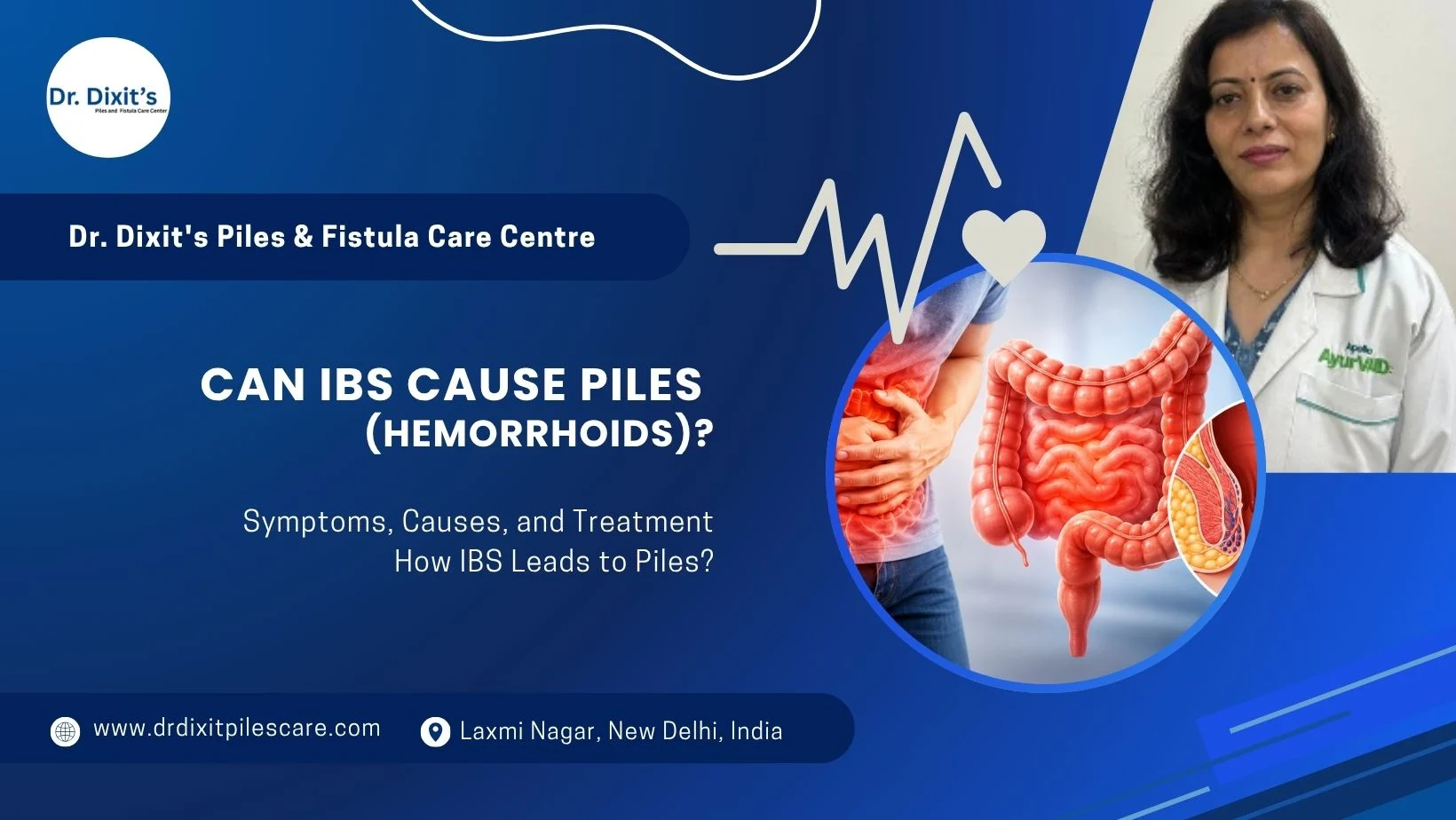
People who have IBS are faced with continuous digestive issues such as constipation, diarrhea, bloating, stomach pain, and bowel movement disturbances. Not only do these symptoms make your life difficult to cope with but they also make you prone to developing piles or hemorrhoids.
Often one would like to know if IBS can lead to the development of piles? The answer to this question is that IBS by itself cannot cause piles. But when the patient suffers from IBS with continuous constipation, diarrhea, and straining, there might be additional pressure exerted on veins near the anus leading to hemorrhoids.
When suffering from IBS and hemorrhoids at the same time it is important to understand the relationship between the two conditions.
What Is IBS?
Irritable Bowel Syndrome (IBS) is an extremely prevalent gastrointestinal disorder involving the large intestines. While IBS does not lead to any physical damage to the intestines, it is a disease that causes repeated gastrointestinal symptoms that affect normal activities. Individuals suffering from Irritable Bowel Syndrome usually have abdominal pain, bloating, excessive flatulence, constipation, diarrhea, or alternatively have both.
The symptoms may vary over time and are caused by specific foods, stress, hormonal fluctuations, or personal lifestyles. However, despite being a chronic disorder, a proper diet and treatment will be helpful in controlling the symptoms of IBS.
Can IBS Cause Piles (Hemorrhoids)?
The question "Can IBS cause hemorrhoids?" is quite common among people using internet services for searching for the answer. However, although IBS cannot be considered a direct cause of piles, it is likely to increase the chances of developing this problem due to its impact on the bowel function. People suffering from constipation-predominant IBS have to strain continuously when they have their bowel movements. The strain leads to the swelling of the veins near the rectum, which finally turns into piles. People who have diarrhea-predominant IBS are also likely to develop hemorrhoids.
How IBS Leads to Piles?
The problems with digestion in IBS give rise to certain factors that lead to piles. Prolonged straining happens due to chronic constipation, and irritation of sensitive areas near the anus occurs due to diarrhea. These factors put extra strain on rectal veins. People suffering from IBS tend to sit on the toilet for prolonged periods due to incomplete bowel evacuation, and this adds pressure to anal veins, which can cause hemorrhoids. Thus, many IBS sufferers end up having piles due to IBS.
IBS Constipation and Hemorrhoids
Constipation is one of the strongest links between IBS and piles. Hard stools require greater effort to pass, leading to excessive straining during bowel movements. Over time, this repeated pressure weakens the blood vessels around the anus. Patients with IBS constipation hemorrhoids often complain of pain during bowel movements, bleeding, itching, swelling, and discomfort while sitting. Managing constipation is one of the most important steps in preventing hemorrhoids from becoming worse. Increasing fiber intake gradually, drinking enough water, exercising regularly, and following medical advice can help improve bowel movements and reduce pressure during stool passage.
IBS Diarrhea and Hemorrhoids
Although constipation receives more attention, diarrhea can also contribute to hemorrhoids. Frequent loose stools repeatedly irritate the anal region, causing inflammation and discomfort. Patients with IBS diarrhea hemorrhoids may notice burning sensations, soreness, itching, and swelling after repeated bowel movements. Constant cleaning and wiping may further irritate the skin surrounding the anus. Proper treatment focuses on controlling diarrhea while protecting the sensitive tissues around the anal area.
Can IBS Cause Hemorrhoids to Bleed?
Yes. If hemorrhoids have already developed, repeated constipation or diarrhea caused by IBS may worsen the symptoms and increase the chances of bleeding. Bleeding usually occurs when hard stool passes over swollen hemorrhoids or when repeated bowel movements irritate inflamed tissues. Bright red blood on toilet paper or in the toilet bowl is one of the common symptoms of bleeding piles. Although hemorrhoids are a common reason for rectal bleeding, persistent or unexplained bleeding should always be evaluated by a qualified doctor to rule out other medical conditions.
Can IBS Cause Pressure in the Anus?
Many people with IBS describe a feeling of pressure, fullness, or heaviness around the anus. This sensation is often caused by repeated bowel movements, constipation, muscle spasms, or swollen hemorrhoids. So, if you are wondering, "Can IBS cause pressure in the anus?", the answer is yes. However, similar symptoms may also occur due to anal fissures, rectal inflammation, or other anorectal disorders. A proper medical examination helps determine the exact cause.
IBS and Hemorrhoids Symptoms
People experiencing both IBS and hemorrhoids may notice symptoms related to both digestive function and the anal region. These symptoms can vary depending on whether constipation or diarrhea is the dominant problem.
Common symptoms include abdominal pain, bloating, constipation, diarrhea, rectal discomfort, itching around the anus, swelling, bleeding during bowel movements, pain while sitting, and a feeling of incomplete bowel emptying. Managing both conditions together often provides better symptom relief than treating only one problem.
IBS and Hemorrhoids Treatment
The treatment for IBS and hemorrhoids focuses on controlling digestive symptoms while reducing pressure on the hemorrhoids. IBS management may include dietary modifications, stress reduction, medications, and identifying food triggers that worsen symptoms.
At the same time, hemorrhoid treatment may involve increasing fiber intake, improving hydration, maintaining regular bowel habits, lifestyle changes, Ayurvedic treatment, or other medical therapies depending on the severity of the condition. Treating the underlying IBS often reduces repeated flare-ups of hemorrhoids and improves long-term digestive health.
Best Diet for IBS and Hemorrhoids
Diet plays an important role in managing both IBS and hemorrhoids. Since IBS triggers vary from person to person, it is important to identify foods that worsen symptoms while maintaining a balanced, fiber-rich diet. Foods such as oats, bananas, papaya, rice, cooked vegetables, curd, and adequate fluids are often easier to digest for many individuals. Soluble fiber may help improve bowel regularity without causing excessive irritation.
Highly spicy foods, excessive fried foods, alcohol, processed foods, and excessive caffeine may trigger digestive symptoms in some people and should be limited if they worsen IBS. A personalised diet plan prepared under medical guidance is often the best approach for patients dealing with both IBS and hemorrhoids.
How Can IBS Cause Internal Hemorrhoids?
Chronic constipation and repeated straining associated with IBS can increase pressure inside the rectum, contributing to the development of internal hemorrhoids. These hemorrhoids may not always be visible but can still cause bleeding, discomfort, or a feeling of incomplete bowel emptying. Early management of constipation is one of the best ways to reduce the risk of developing internal hemorrhoids.
When Should You Consult a Doctor?
If you have IBS and notice bleeding, persistent pain, swelling, severe constipation, repeated diarrhea, or symptoms that interfere with your daily activities, it is advisable to consult a specialist. Early diagnosis can help identify the exact cause of your symptoms and prevent complications. Seeking medical advice is especially important if symptoms continue despite dietary changes or home remedies.
Conclusion
Despite IBS being unrelated to piles, the problems that occur during digestion may lead to hemorrhoids development. The causes are chronic constipation, frequent diarrhea, long sitting on the toilet, and straining. To lower the chances of getting hemorrhoids and have a better digestion, IBS should be controlled properly by following the right diet, leading a healthy lifestyle, managing stress, and getting medical help when necessary. If you suffer from regular bleeding, pain, or other symptoms, the best option would be to visit a specialist.
You can also learn more about piles symptoms, best diet for piles, constipation treatment, internal hemorrhoids, and Ayurvedic treatment for piles through our related guides.
FAQs
What is IBS?
IBS, or Irritable Bowel Syndrome, is a common digestive disorder that affects bowel function. It commonly causes abdominal pain, bloating, constipation, diarrhea, or alternating bowel habits without causing permanent damage to the intestines.
Can IBS cause hemorrhoids to bleed?
Yes. Repeated constipation, diarrhea, and straining associated with IBS can irritate existing hemorrhoids, increasing the likelihood of bleeding during bowel movements.
What is the treatment for IBS and hemorrhoids?
Treatment usually focuses on controlling IBS symptoms through dietary changes, hydration, stress management, and medications while managing hemorrhoids with lifestyle modifications, fiber intake, and appropriate medical treatment.
What is the best diet for IBS and hemorrhoids?
A balanced diet containing soluble fiber, adequate fluids, cooked vegetables, fruits that suit your digestive system, oats, rice, and easily digestible foods is often recommended. Individual IBS triggers should also be identified and avoided.
Can IBS cause pressure in the anus?
Yes. Constipation, repeated bowel movements, muscle spasms, and hemorrhoids associated with IBS can all contribute to pressure or discomfort around the anal region.
Can IBS cause internal hemorrhoids?
Yes. Chronic straining and constipation associated with IBS may increase pressure on the rectal veins, contributing to the development of internal hemorrhoids over time.
Are IBS and hemorrhoids the same condition?
No. IBS is a functional digestive disorder affecting bowel movements, while hemorrhoids are swollen veins around the rectum or anus. However, IBS can increase the risk of developing hemorrhoids.
Can IBS increase the risk of piles?
Yes. Long-term constipation, repeated diarrhea, and excessive straining caused by IBS can increase pressure on the anal veins, making piles more likely to develop.
Also Read:
Best Healthy Diet Chart for Piles Patients
Why Piles Cases Are Increasing Among Young Professionals in India
7 Ayurvedic Treatment Tips for Piles
8 Common Differences Between Piles and Pilonidal Sinus